Auto Feeder Adaptations for Special Needs Fish
By Mei-Lin Zhou • 19th Jan
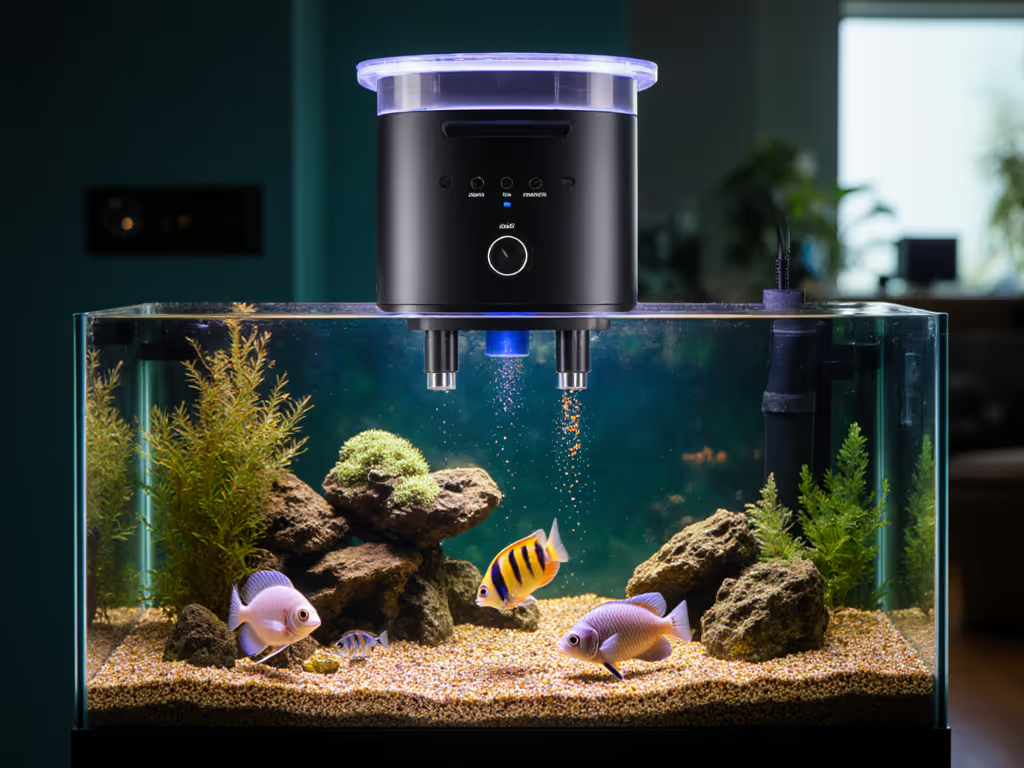
When you're caring for fish with physical limitations or chronic conditions, special needs fish feeding becomes a delicate dance of observation and adaptation. Understanding feeder adaptations for disabled fish isn't just about convenience, it's about extending compassionate care that honors each fish's unique requirements. As someone who's guided hundreds of aquarists through similar challenges, I've seen how the right approach transforms stress into confidence, especially when you witness a fish with special needs finally thriving.
You may recall that neighbor's child who cried when her beloved guppies disappeared in cloudy water, because she'd unknowingly overfed from love. We restored clarity through patience and precision. Today, we'll explore how to apply similar mindfulness to fish with specific physical challenges. For medical adaptations by condition, see our sick fish feeder guide.
Understanding Fish with Special Needs
What qualifies as a "special needs" fish?
A special needs fish typically has a physical limitation affecting its ability to feed normally. This includes fish with swim bladder disorders that struggle to maintain position, blind fish who can't locate food visually, or fish with deformities that limit mobility. These aren't "broken" fish, they're simply living with different capabilities that require thoughtful accommodation.
How can I identify if my fish has feeding difficulties?
Observe during feeding times: Does your fish linger at the bottom while others dart to the surface? Does it bump into tank walls when trying to find food? Does it seem to miss food pellets entirely? These subtle cues indicate potential feeding challenges. Start small, observe closely, let the fish teach you. This is the foundation of humane care for fish with physical limitations.
Feeding Challenges and Solutions
My fish is blind or has poor vision. What blind fish feeding techniques work best?
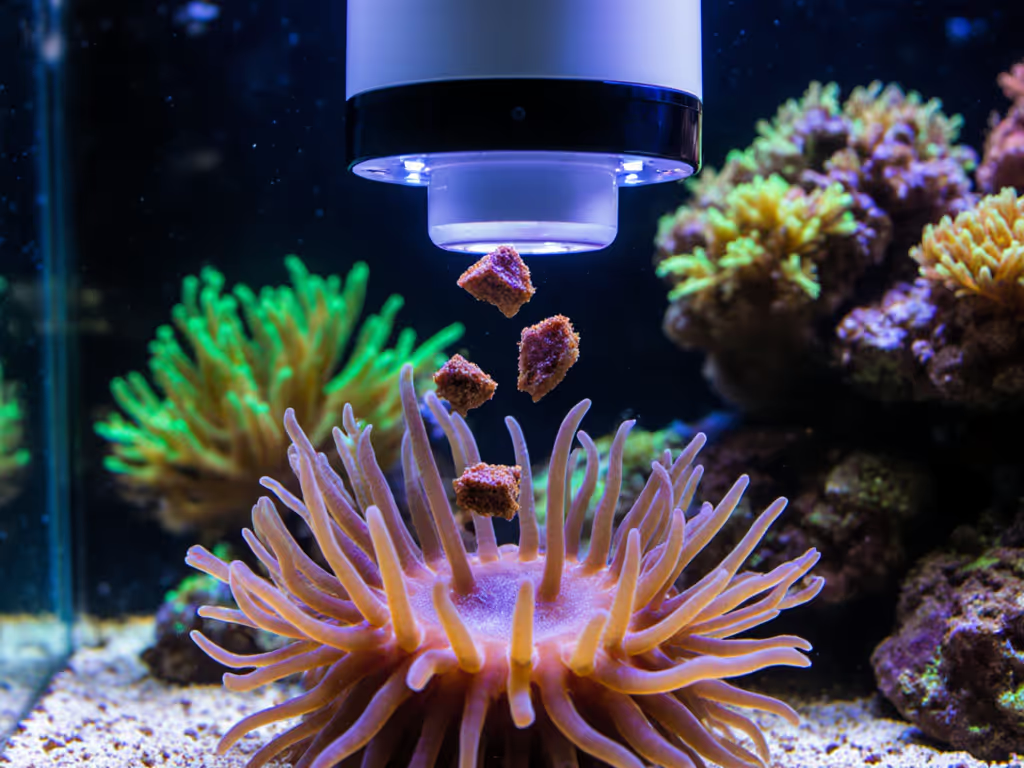
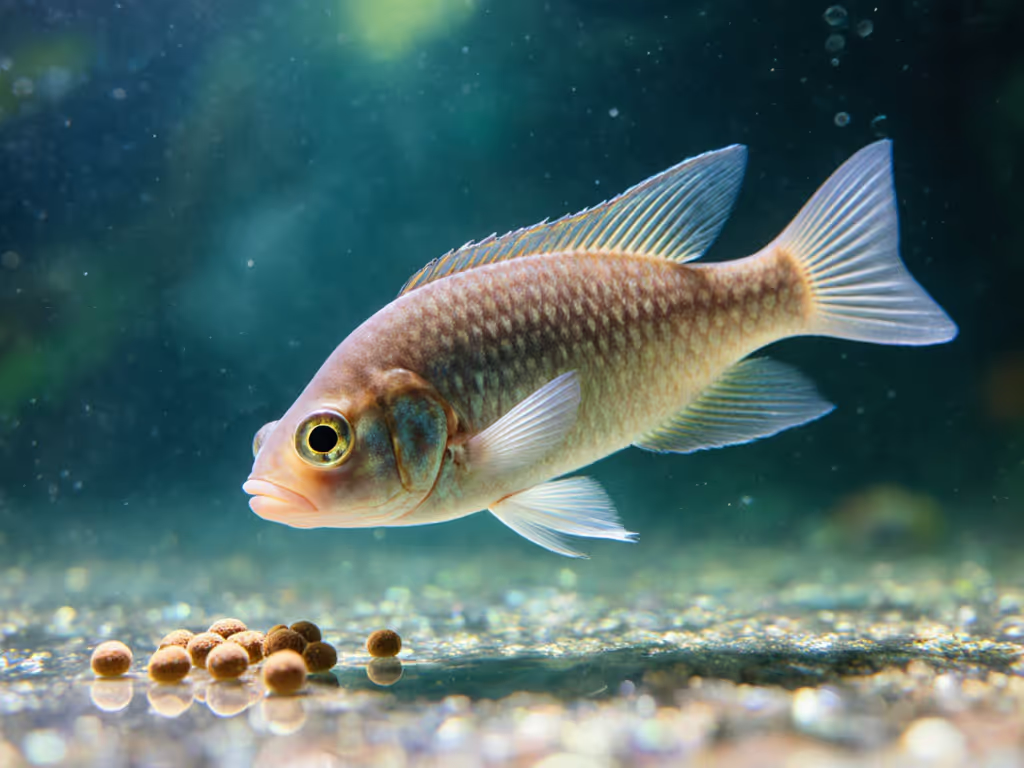
Blind fish rely on lateral line sensitivity and scent detection. Instead of dropping food haphazardly, create a consistent feeding location and signal. A gentle tap on the glass near the same spot each time creates water vibrations they can detect. For automatic feeders, choose models with precise portion control that dispense sinking pellets directly to the bottom where blind fish naturally forage. Pre-soaking dry food slightly can also release more scent into the water column, helping visually impaired fish locate their meals.
How do I adapt feeders for fish with swim bladder disorder?
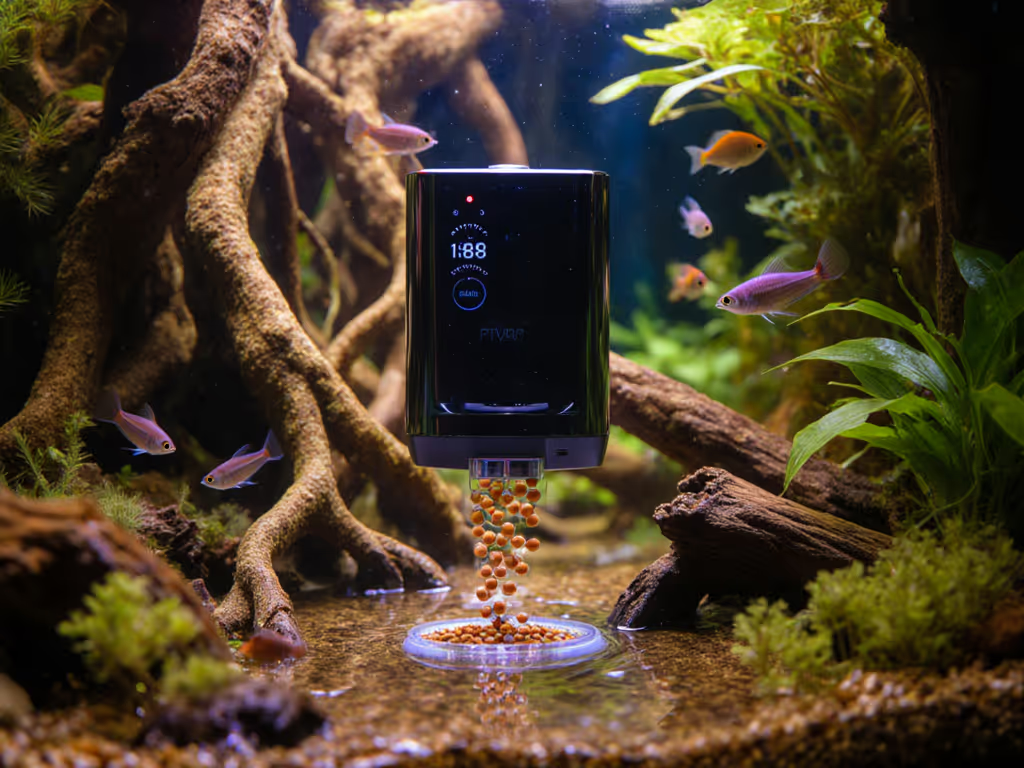
Fish with swim bladder issues often can't maintain neutral buoyancy. They either float uncontrollably at the surface or sink helplessly to the bottom. For floaters, use automatic feeders that dispense sinking pellets exclusively; floating food only exacerbates their struggle. For sinkers, consider a slow-release feeder that drops food gradually near the bottom. Some advanced feeders offer programmable multi-chamber options that can release different food types at different depths (ideal for tanks with both healthy and special-needs fish).
What about fish with deformities or limited mobility?
Handicapped fish care often requires minimizing competition. If your fish with physical limitations shares a tank with more agile tankmates, consider using a feeding ring or creating a dedicated feeding zone with plants or decorations. Automatic feeders with adjustable timing allow you to schedule feedings when tank activity is lowest, giving your special needs fish a better chance to eat without competition.
Practical Adaptation Strategies
How can I modify my automatic feeder to better accommodate disabled fish?
Most automatic feeders have adjustable settings that aren't immediately obvious. For step-by-step setup and fine-tuning, use our feeder calibration guide. Decrease the portion size to tiny pinches, since many special needs fish eat slower and require less food. Extend the interval between feedings to prevent uneaten food from polluting the water. For fish with mobility issues, consider placing the feeder closer to their preferred area rather than the tank center. The goal isn't to automate mindlessly but to create a supportive environment where your fish can eat comfortably.
What's the most common mistake people make with special needs fish feeding?
Overcompensation. Many well-meaning aquarists see a fish struggling to eat and respond by increasing food quantity or frequency. This causes water quality issues that further stress the fish. Instead, Pause, watch, then adjust. Start with half the normal portion and observe. If the special needs fish eats everything without competition within 2-3 minutes, you might increase slightly. If food remains, decrease further. Remember: restraint becomes care.
Preventing Common Issues
How do I prevent water quality problems when feeding special needs fish?
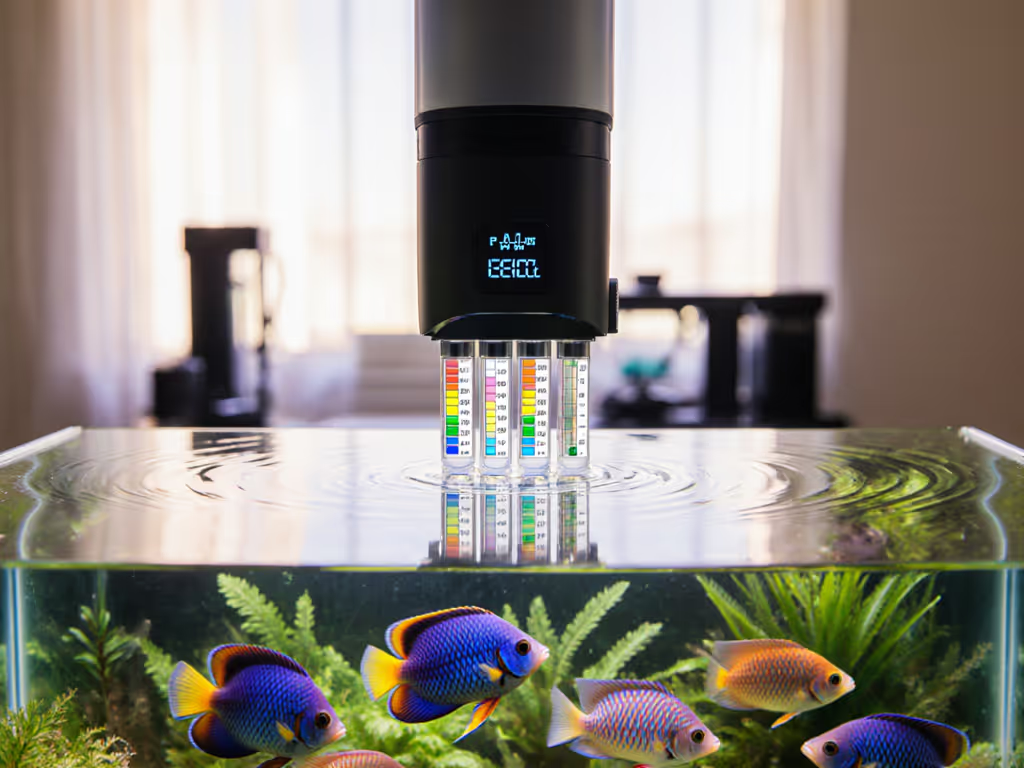
Fish with physical limitations often eat more slowly, leaving food to decompose. The solution is two-fold: reduce portion sizes significantly and increase observation. Many modern automatic feeders include cameras that let you check if food has been consumed before the next scheduled feeding. Set up reliable verification with our visual monitoring guide. If your fish hasn't finished its meal, skip the next feeding rather than compounding the problem. This precision keeps water clear and stable. This is essential for fish already dealing with health challenges.
Can I still use automatic feeders when I'm home?
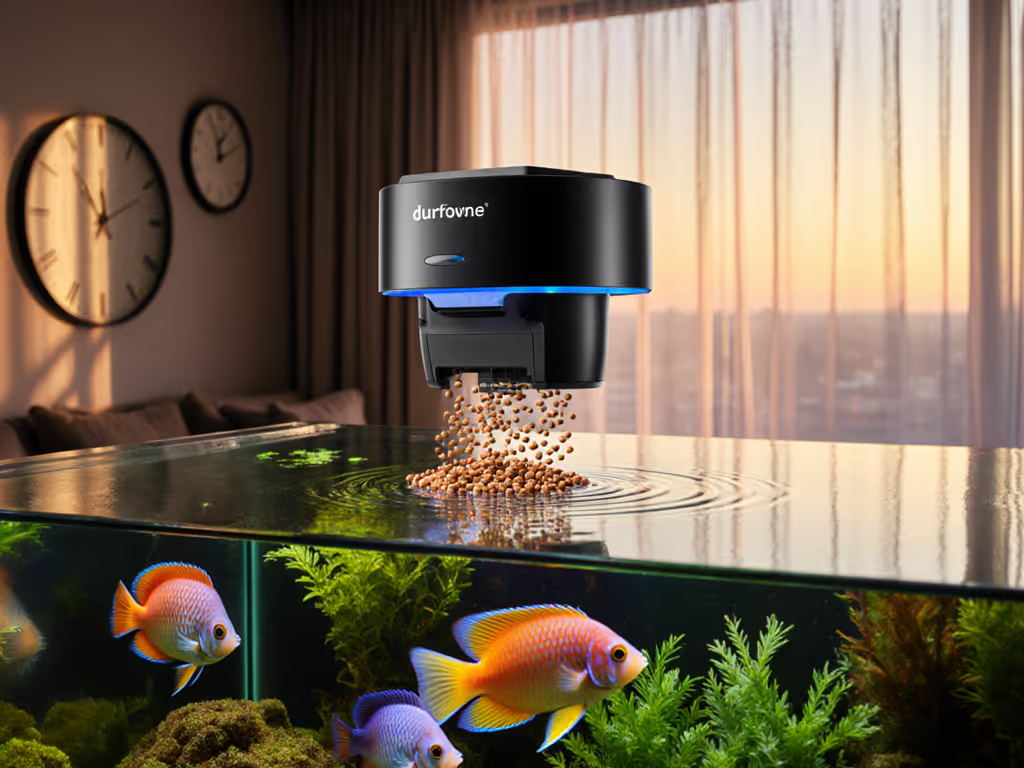
Absolutely, and I recommend it. Automatic feeders aren't just for vacations; they're valuable tools for establishing consistent routines at home too. Program short, frequent feedings (3-4 times daily) with tiny portions rather than one or two large meals. To align schedules with biology, follow our auto-feeder circadian rhythm guide. This mimics natural grazing behavior and accommodates fish with reduced capacity. The consistency reduces stress for both fish and keeper, as you're no longer guessing "Did I feed today?" or "Was that portion too big?"
Building Confidence in Your Approach
How long until I'll see improvement in my special needs fish?
Improvement timelines vary, but with observation-led adjustments, you should notice behavioral changes within 7-10 days. Your fish might become more active during feeding times, show better coloration, or demonstrate improved mobility. Keep a simple feeding log noting portion sizes, consumption rates, and any behavioral observations. This data helps you identify patterns and make informed adjustments. Remember that progress with fish with physical limitations is often subtle but meaningful.
What's the most important mindset for caring for special needs fish?
Patience coupled with precision. It's easy to feel overwhelmed when your fish has physical limitations, but remember that fish thrive on routine and predictability. Your role isn't to "fix" them but to accommodate their natural abilities. When you establish a feeding routine that respects their capabilities, you're not just meeting nutritional needs, you're building trust and reducing stress for both of you.
Start small, observe closely, let the fish teach you. This approach has guided countless aquarists through challenging situations to find clarity and connection.
Further Exploration
Exploring specialized feeding solutions for your unique aquarium situation can deepen your understanding and connection with your aquatic companions. Consider joining a local aquarium club's beginner session where members share practical adaptations they've developed. Online forums dedicated to specific fish conditions often have valuable insights about special needs fish feeding that go beyond what commercial products offer. Many aquarium enthusiasts have found that connecting with others who share similar challenges provides both practical solutions and emotional support on this journey of compassionate care. Remember that every small adjustment you make toward understanding your fish's needs is a step toward creating a thriving aquatic environment where all inhabitants can flourish.
Related Articles