Baby Fish Feeding Guide: Perfect Tiny Portions Every Time
By Mei-Lin Zhou • 29th Nov

Whether you're setting up a new fry tank feeder system or nurturing eggs from your prized guppies, precise juvenile fish feeding is the quiet hero of successful breeding. I've seen so many beginners overwhelmed by tiny mouths and frantic swimming, only to realize their fish were teaching them how to feed all along. When you align your routine with what fry actually need, cloudy water clears, growth accelerates, and that anxious feeling melts away. Start small, observe closely, let the fish guide you.
As a mentor who's run beginner clinics for over a decade, I know your deepest worry: "Am I starving them or poisoning them?" You invest in pristine tanks and quality water, yet one miscalculated pinch of food can trigger ammonia spikes or malnutrition. To understand how portion control affects water quality, see our science-backed feeding guide. But what if I told you the solution isn't complex gadgets, it is calming observation paired with tiny, thoughtful actions? Let's transform your stress into confidence through these science-backed answers.
FAQ: Solving Your Biggest Fry Feeding Challenges
Q: When should I actually start feeding baby fish?
A: Never rush the first meal. For the first 24-72 hours after hatching, fry live off their yolk sac (a built-in nutrient reservoir packed with proteins and fats critical for development). Disturbing them now stresses fragile bodies and clouds water with uneaten food. Instead, dim the lights and watch quietly. When you see fry swimming freely (not just twitching!), that's your cue. I once helped a neighbor's daughter whose cloudy tank hid her beloved guppies, because she'd fed too soon out of worry. Waiting until they were active restored clarity and her joy.
Q: What microscopic foods work for newborn fry?
A: Fry mouths are astonishingly small (some as tiny as 20 microns)! Match their scale with these proven options (prioritize live foods when possible):
- Infusoria: Microscopic organisms grown in aged tank water with banana peels or yeast. Perfect for egg-scatterer fry like tetras (20-300 microns). Tip: Shine a desk lamp on the culture jar 24/7 to boost growth.
- Green water: Algae-rich "pea-soup" water teeming with microorganisms. Ideal for killifish or medaka fry. Pro move: Culture it in a sunlit window jar for 3-5 days.
- Baby brine shrimp (BBS): The gold standard for livebearers (guppies, mollies) once fry reach 400+ microns. Their nutrient-dense yolk sacs fuel explosive growth, confirmed by commercial fish farms. If you're exploring automated options for live foods, see our tests of live food feeders for rotifers and brine shrimp.
- Powdered alternatives: Hikari First Bites or crushed spirulina (5-800 microns). Use a child's paintbrush to dust minuscule portions (this is small portion control at its finest).

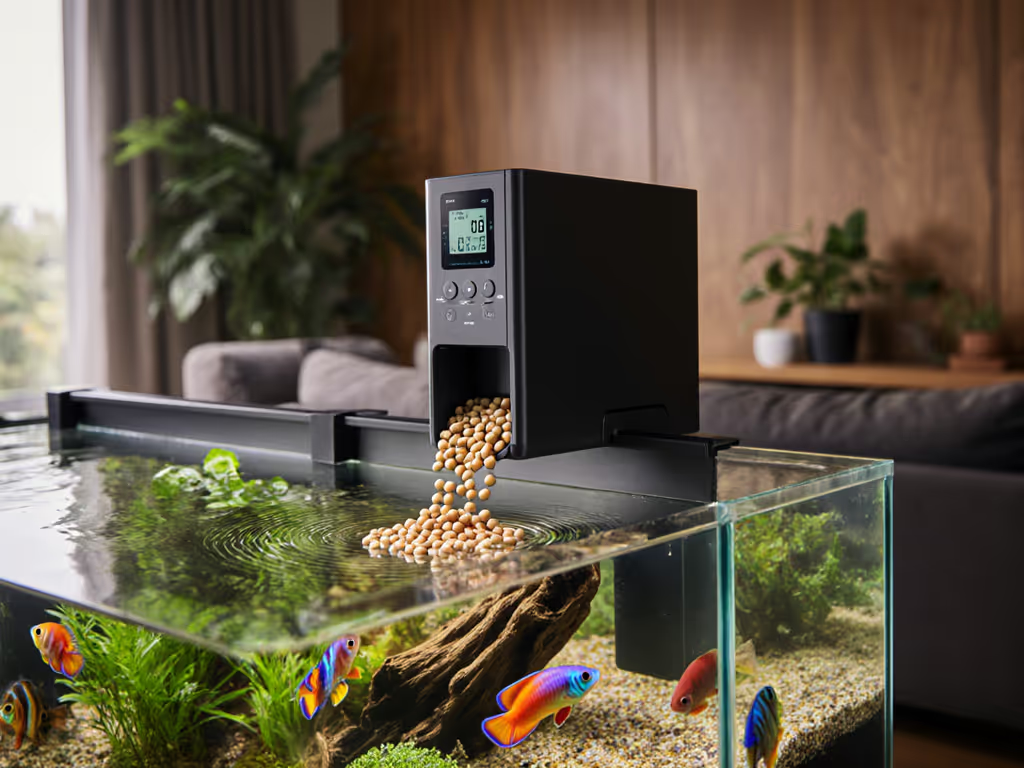
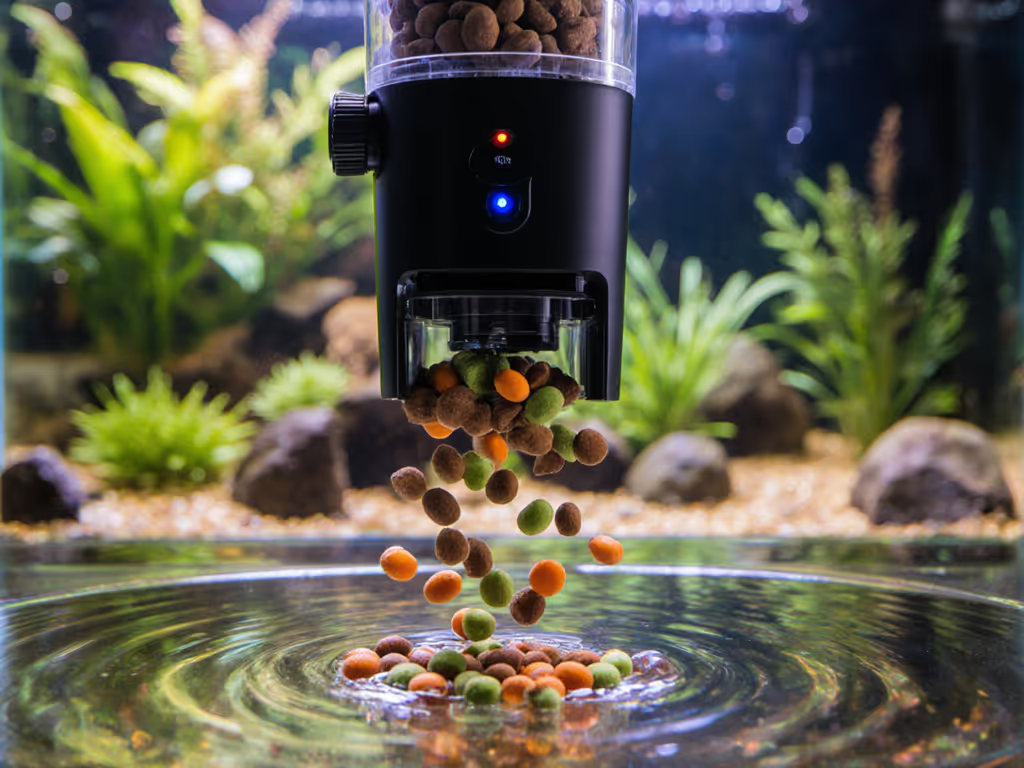
Automatic Fish Feeder Dispenser
Automate feeding for healthier fish and pristine aquarium water, even when away.
$13.58
Capacity200ml
Capacity200ml
Pros
Ensures consistent feeding, preventing over/underfeeding.
Moisture-proof design keeps food dry and fresh.
Easy setup with flexible installation options.
Cons
Requires battery checks/recharging.
Slider adjustment can be sensitive for precise volume.
Customers find the automatic feeder works well, particularly for flakes, and appreciate its rechargeable battery that lasts a long time. The device is easy to set up and use, holds plenty of food, and stays securely attached to the tank. They value its ability to schedule multiple feedings per day, with 24 interval time selections, and consider it good value for money.
Customers find the automatic feeder works well, particularly for flakes, and appreciate its rechargeable battery that lasts a long time. The device is easy to set up and use, holds plenty of food, and stays securely attached to the tank. They value its ability to schedule multiple feedings per day, with 24 interval time selections, and consider it good value for money.
Q: How much food is too little or too much?
A: Overfeeding is the #1 killer of fry, not starvation. Remember: a fry's stomach is smaller than a grain of rice. Here's your foolproof rule:
Feed what they consume in 30 seconds, max.
If food drifts downward after feeding, you've overdone it. A simple feeding ring setup helps corral floating food so fry can eat it before it scatters. Signs you're under-feeding? Lethargy, slow growth, or tiny fry nipping at tankmates. For small portion control, mix powder with tank water in a spoon, then use a pipette to target-feed near active fry. Never blanket the whole tank, that's wasted food and water pollution.
Q: How often should I feed during those critical first weeks?
A: Baby fish have turbocharged metabolisms but tiny stomachs. A fry feeding schedule of 3-5x daily is non-negotiable for growth. But frequent feedings = more water changes. My solution? A "breeding nursery": a 5-gallon tank with sponge filter, where I swap 10% water after each feeding. This prevents ammonia spikes while keeping nutrients stable. For newly cycled tanks, follow our new tank feeding schedule to avoid ammonia spikes during this sensitive phase.
Real talk: If you can't feed 5x/day, prioritize quality over frequency. Two perfect feedings beat three messy ones. Quality means live foods (BBS/infusoria) 80% of the time, powdered foods are supplements, not staples.
Q: Can I use an automatic feeder for fry?
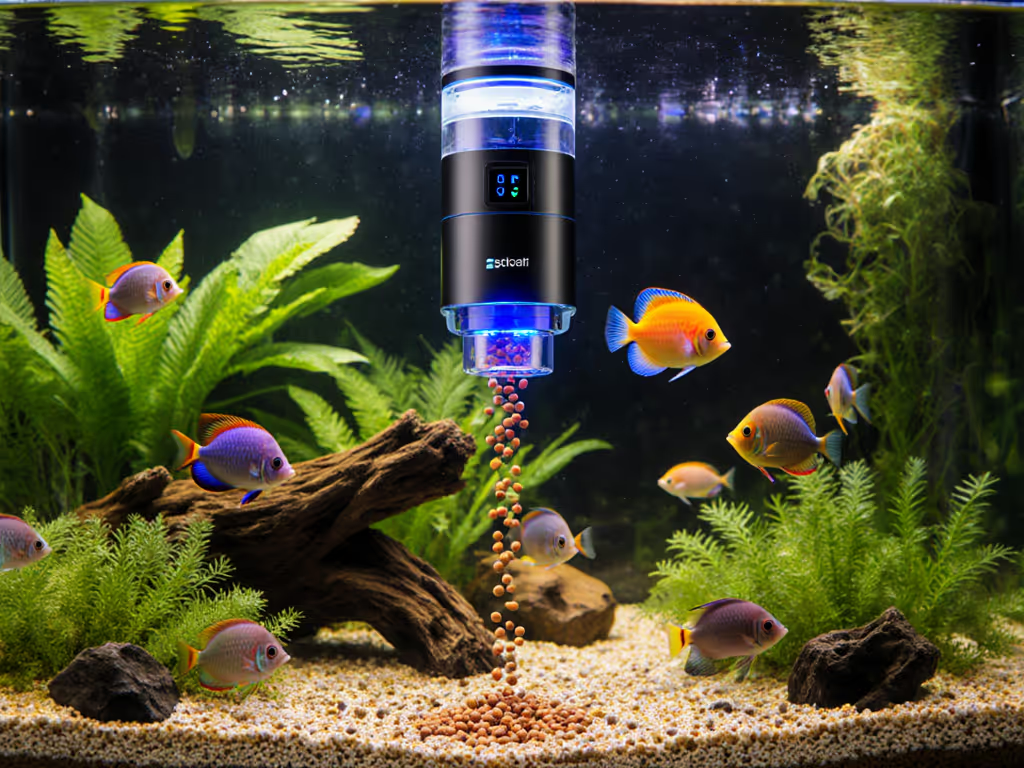
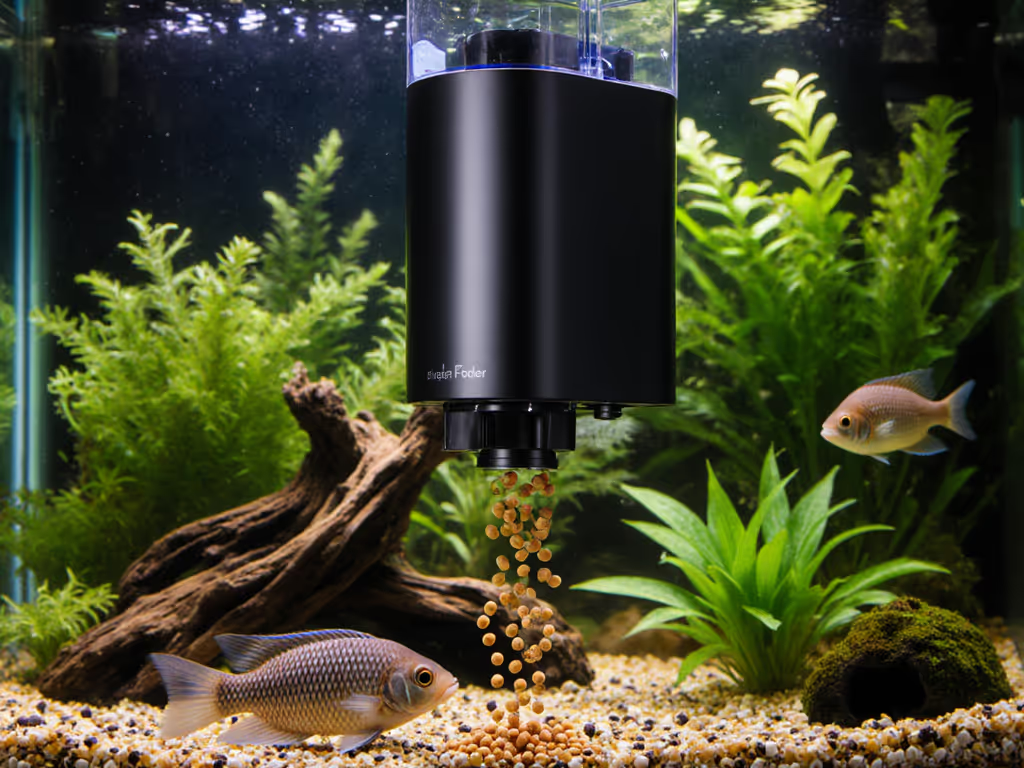
A: Proceed with caution. While a fish aquarium automatic feeder seems ideal for vacations, most aren't calibrated for micro-portions. Before relying on one, learn how to calibrate automatic feeders to deliver consistent micro-portions. They're built for adult flakes, not dust-fine fry food. Moisture clumping also ruins tiny powders. That said, if you must automate:
- Choose feeders with adjustable sliders (like Aoyar's model) to release <0.1 g portions
- Use only dry, non-powdery foods (e.g., nano pellets)
- Test rigorously before leaving town, and watch if fry actually eat the dispensed food
For true beginners, I still recommend manual feeding. Automation should support your routine, not replace observation. Remember my neighbor's lesson: restraint is care.
Your Path to Confident Fry Rearing
Successful breeding tank feeders aren't built on fancy gear, they are built on trust. Trust that fry will thrive when you honor their microscopic scale with equally tiny portions. Trust that cloudiness clears when you wait for active swimmers before feeding. Most importantly, trust yourself to learn from each mealtime.
I've watched hobbyists transform panic into pride simply by scaling down their portions and scaling up their attention. One veteran engineer told me, "Mei-Lin, your '30-second rule' cut my fry losses by 70%." That's the power of observation-led care.
Your next step: Today, feed once with a paintbrush. Note how many fry gather, how quickly food vanishes, and how water looks after 10 minutes. Repeat tomorrow. No gadgets required (just presence). Start small, observe closely, and let the fish teach you.
Related Articles