Precision Feeding: Stabilize Your Tank Microbiome
By Sana Okeke • 22nd Jan
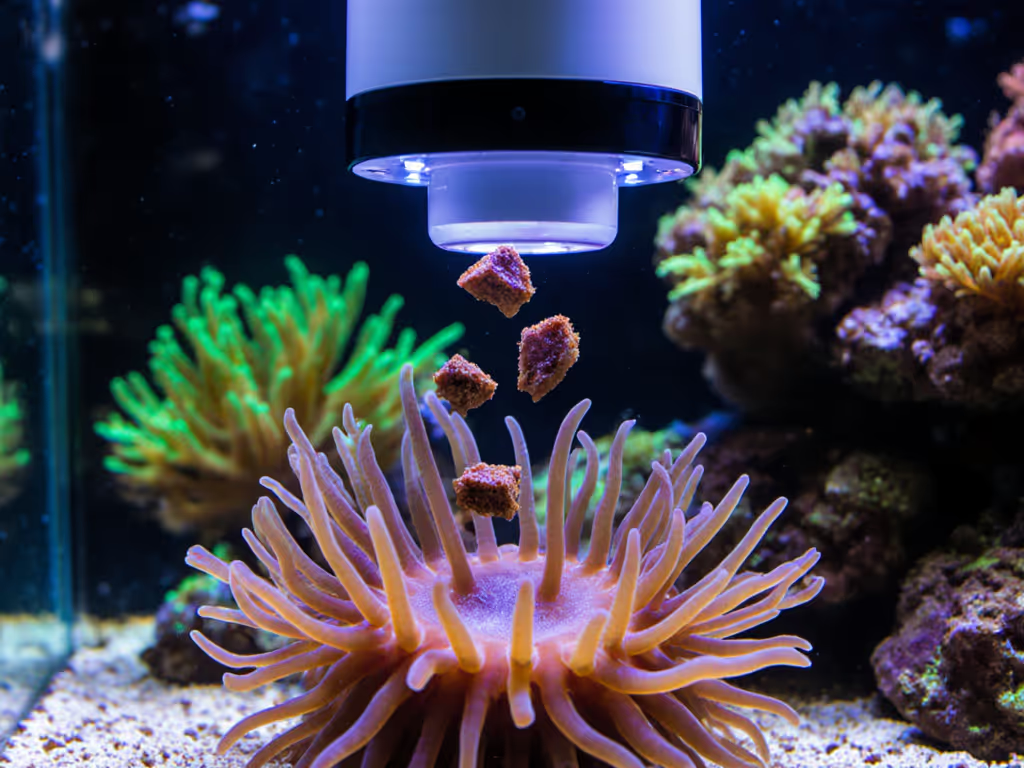
As any experienced aquarist knows, tank microbiome feeding isn't just about nourishing your fish, it is about maintaining the delicate biological ecosystem balance that sustains your entire aquatic environment. Too often, we treat feeding as a simple transaction rather than a critical ecosystem management tool. When your feeding strategy aligns with microbial rhythms, you'll see fewer ammonia spikes, reduced algae blooms, and happier, healthier fish. Having tested dozens of feeding systems across reef, brackish, and freshwater setups, I've learned that consistent feeding precision isn't optional, it is fundamental to long-term tank stability.
1. The Nitrogen Cycle Feeding Impact: More Than Just Fish Food
Every pellet or flake you add to your aquarium triggers a chain reaction in the nitrogen cycle. Inconsistent feeding patterns create feast-or-famine conditions for nitrifying bacteria, causing fluctuations that destabilize your entire system. When you feed erratically, excess food decays into ammonia, overwhelming your beneficial bacteria colonies that are calibrated for consistent organic input. Research shows aquariums with precise feeding schedules maintain 30 to 40% more stable ammonia and nitrite levels than those with variable feeding routines.
The solution? Treat your feedings like scheduled maintenance. For step-by-step setup, use our feeder calibration guide to match output to your tank size and food type. Feed the same amount at the same time daily, matching your portions to your tank's biological load. For example, a 50-gallon community tank with moderate stocking typically requires just 1 to 2% of total fish body weight in food daily, since any more creates excess waste that disrupts microbial equilibrium.
2. Daily Feeding Precision Microbiology: Timing is Everything
Microbial communities operate on circadian rhythms influenced by feeding schedules. Your tank's beneficial bacteria become most active 2 to 3 hours after feeding, when they process the newly introduced organic matter. When you feed at random times, you are essentially forcing these microorganisms to work irregular shifts, reducing their efficiency and resilience.
Consistent timing isn't just convenient, it is a microbiological necessity.
Set your feeding schedule to align with natural daylight patterns. Morning feedings before work or school match most fish's natural foraging rhythms and give bacteria the full daylight period to process nutrients before nighttime respiration increases. This simple adjustment creates a more predictable metabolic cycle for your tank's invisible workforce.
3. Monitoring Microbial Community Stability Through Water Parameters
True feeding precision means tracking more than just consumption, it requires monitoring how your feeding strategy affects your tank's invisible ecosystem. Keep detailed logs of:
- Daily feeding amounts
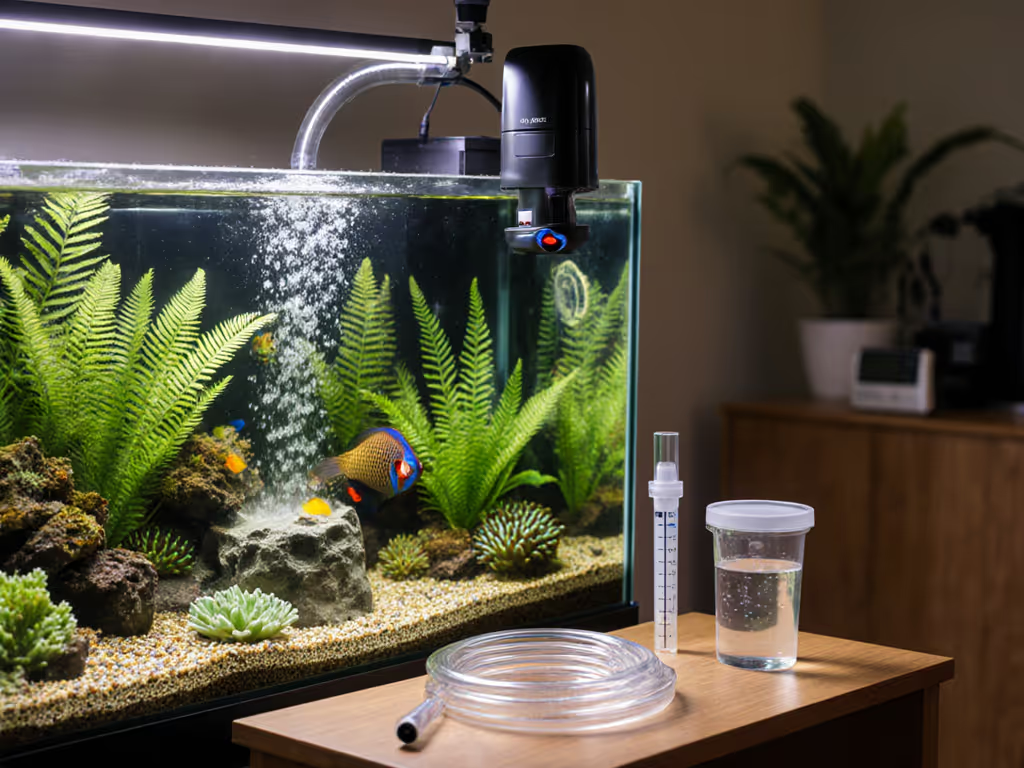
- Pre- and post-feeding water parameters (especially ammonia, nitrite, nitrate)
- Visible signs of overfeeding (cloudiness, detritus accumulation)
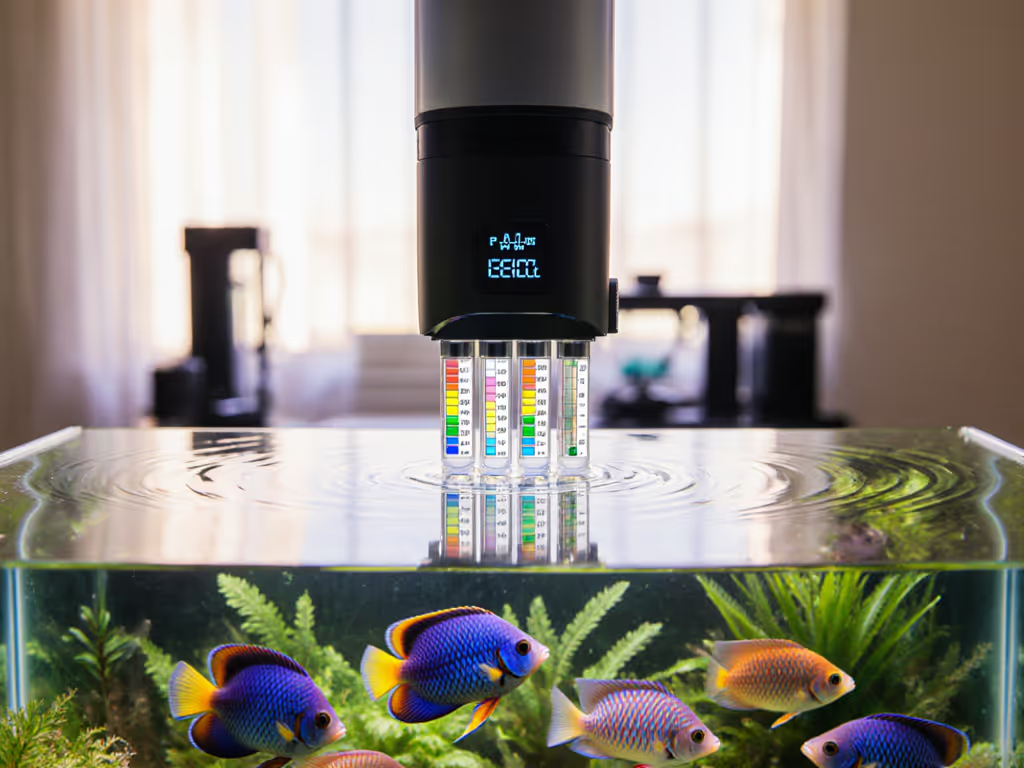
After four weeks of consistent logging, you'll identify the precise feeding threshold where your tank's microbiome functions optimally. To take this further, consider a responsive feeding system that adjusts portions based on real-time water parameters. Most hobbyists discover they've been overfeeding by 25 to 30% once they start measuring actual consumption and parameter shifts. This data-driven approach reveals the exact moment when excess food begins overwhelming your bacterial colonies.
4. Travel-Proofing Your Microbiome: The Critical Feeding Window
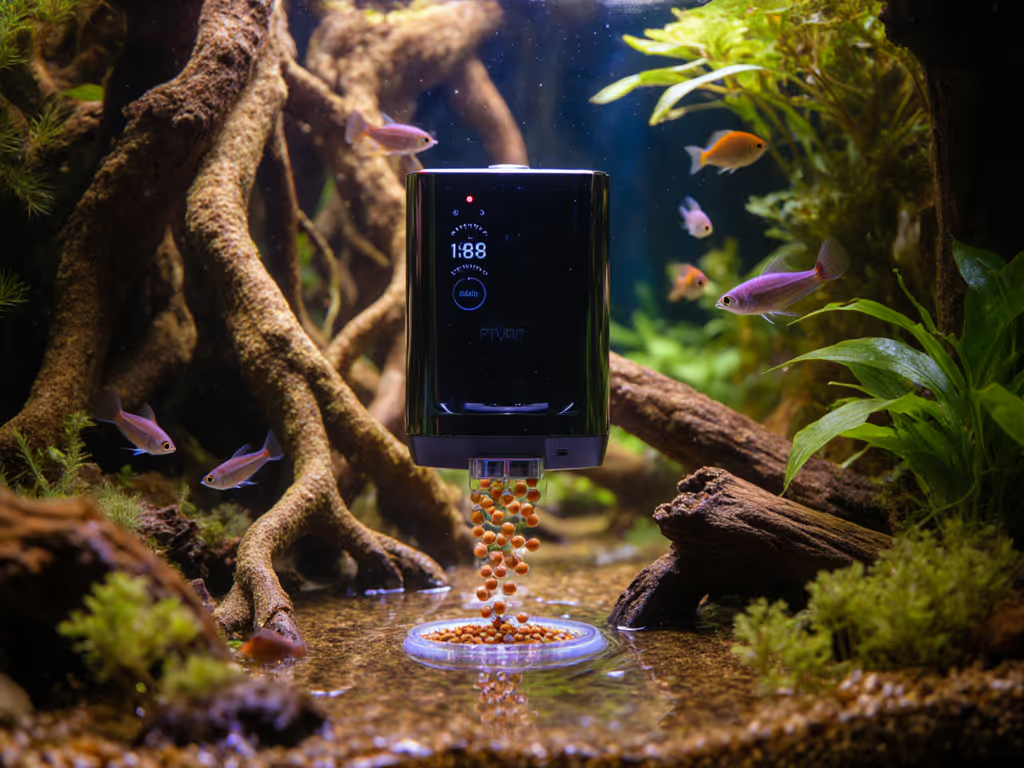
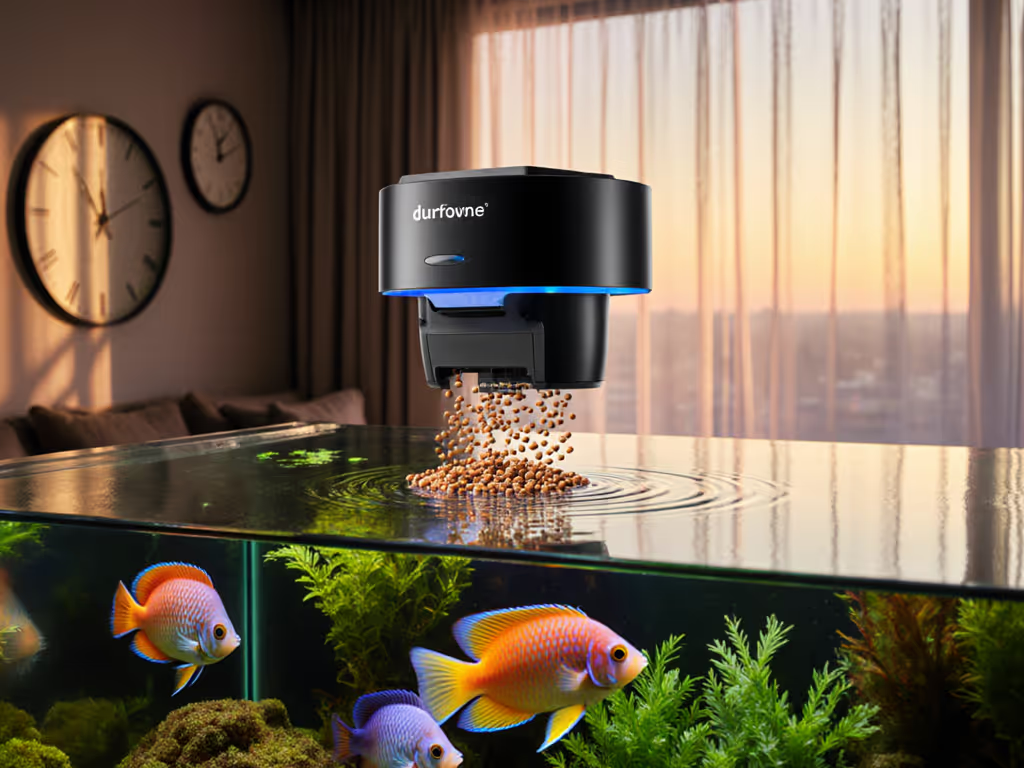
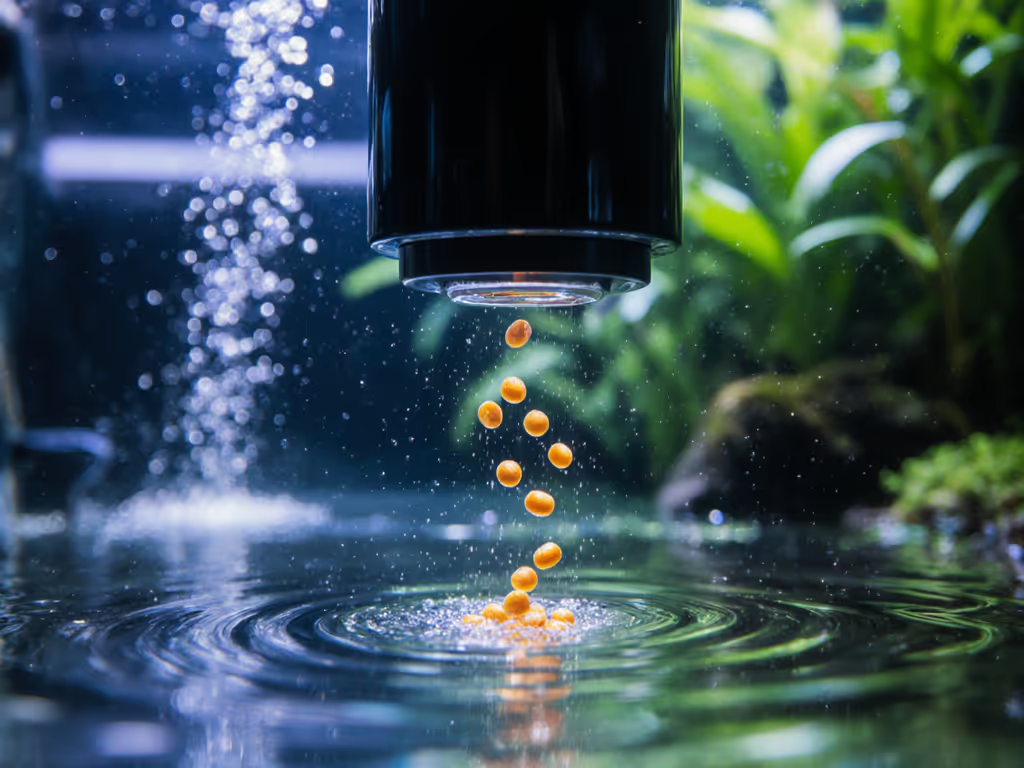
One of my most revealing experiments came before a two-week trip when I tested three automatic feeders across multiple tanks. Only the unit that dispensed precise, consistent portions maintained stable water parameters in both my reef and brackish systems. For proof across longer trips, see our 14-day vacation feeding test with model-by-model reliability data. The others either underfed (causing bacterial die-off) or overfed (triggering ammonia spikes), proving that travel feeding isn't about convenience, it is about microbial continuity.
When planning absences:
- Choose feeders with precise portion control (not just simple timers)
- Test your travel setup with daily monitoring before your trip
- Consider slightly reduced portions since fish metabolism slows without regular interaction
This is not about fancy features, it is about reliability that maintains microbial rhythms while you're away. Buy once, maintain easily, and sleep well on travel days.
5. Long-Term Beneficial Bacteria Maintenance: Beyond the Initial Cycle
Most aquarists focus on establishing the nitrogen cycle but neglect ongoing beneficial bacteria maintenance. Your bacterial community needs consistent organic input to remain robust, and starvation periods (from skipping feedings) cause population crashes that require recovery time. The most stable tanks maintain near-constant bacterial activity through precise, regular feeding.
I've documented tank recoveries where inconsistent feeding was the culprit behind "mystery" parameter swings. One client's chronic algae issues resolved when we switched from erratic manual feedings to a simple, reliable automatic system that delivered consistent portions. The microbial community stabilized within three weeks, and nutrient competition shifted from algae to beneficial bacteria.
Final Verdict: Precision Feeding as Ecosystem Management
The aquarists with the most stable, thriving tanks approach feeding not as a chore but as a precision management tool for their entire biological ecosystem. Your feeding routine directly shapes microbial community stability, nutrient cycling efficiency, and ultimately, the health of every organism in your tank.
Stop thinking of feeding as merely delivering food to fish. Instead, view it as carefully calibrated maintenance for your tank's invisible workforce (the bacteria, fungi, and microfauna that keep your aquatic world balanced). When your portions, timing, and frequency align with your tank's biological capacity, you'll experience fewer water quality issues, less maintenance, and noticeably healthier inhabitants.
The most sophisticated aquariums succeed not through expensive equipment but through consistent, precise routines that honor the microbial rhythms of the ecosystem. Buy once, maintain easily, and you'll enjoy the peace of mind that comes from knowing your tank's microbiome is functioning at its best (whether you're home monitoring parameters or away on that well-deserved vacation).
Related Articles