High-Humidity Proof Feeders: Tropical Aquarium Feeding Tips
By Mei-Lin Zhou • 31st Dec
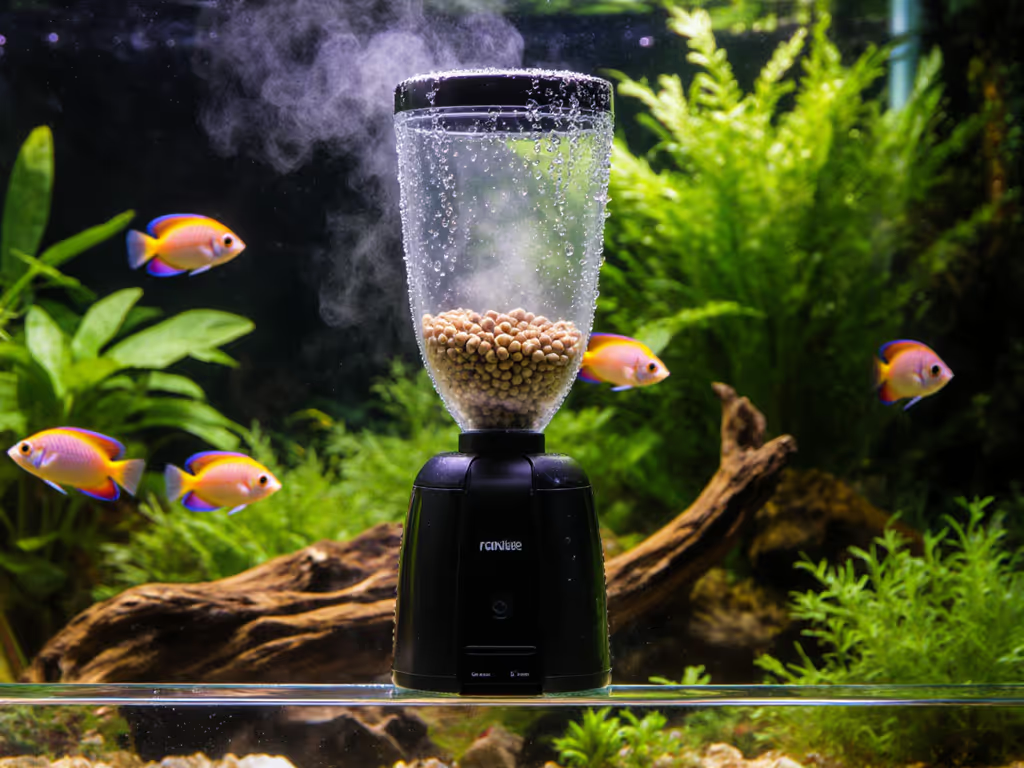
If you've ever opened your feeder only to find clumped, spoiled food or noticed erratic feeding schedules in your tropical tank, you understand why high-humidity feeder performance is critical for year-round stability. For aquarists in coastal regions or steamy climates, maintaining reliable tropical climate feeders isn't just convenient (it is essential) for preventing nutrient crashes and stress-induced illness in sensitive species. As someone who's guided hundreds of new keepers through these challenges, I've learned that humidity isn't the enemy; it's how we adapt to it that matters. Let's explore gentle, observation-led solutions that honor your fish's needs while honoring your peace of mind.
Why Humidity Challenges Even Advanced Tropical Setups
Q: My automatic feeder works perfectly in dry climates but fails during monsoon season. What's happening?
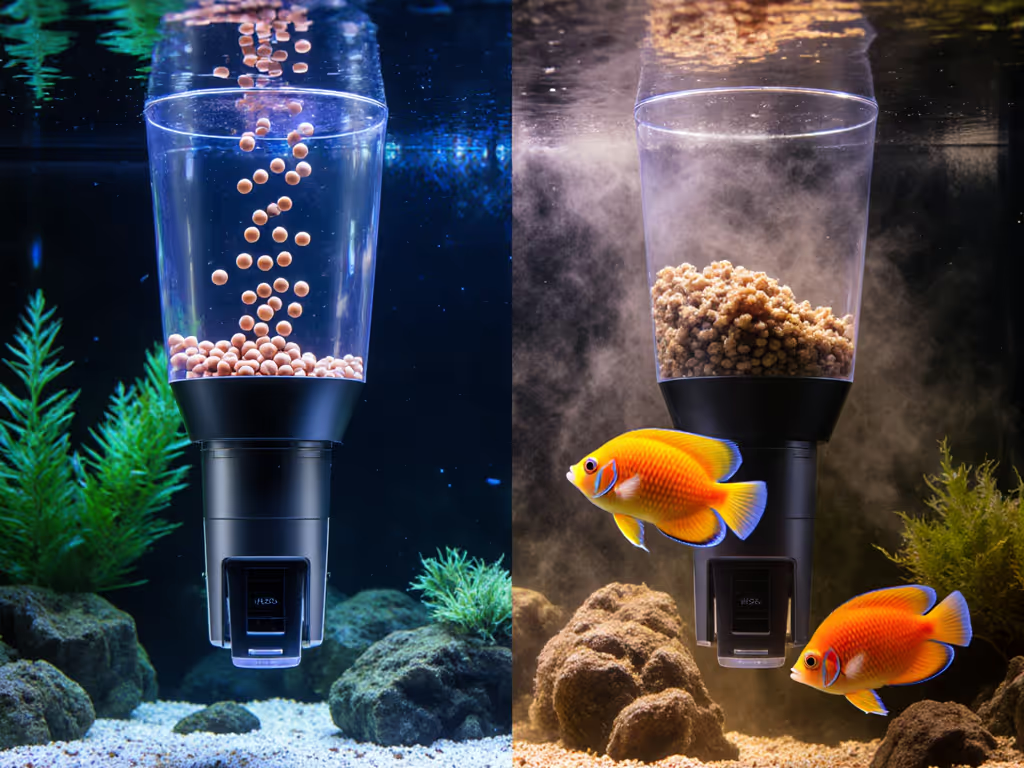
Humidity silently sabotages feeders through two invisible forces: condensation and capillary action. When warm, moisture-laden air meets cooler feeder components (like plastic housings), water droplets form inside the food chamber. This isn't just about soggy flakes, it triggers bacterial blooms that degrade food nutrition before it reaches your fish. Simultaneously, ambient humidity wicks moisture up through feeder slots via capillary action, turning pellets into paste within hours. For a deeper look at seals, vents, and desiccants that keep food dry, see our moisture control guide. I once helped a coastal hobbyist whose prized discus developed bloating; their $400 auto-feeder had been dispensing microbial-rich sludge for weeks. The fix wasn't upgrading hardware, it was implementing humidity adaptation techniques through routine adjustments.
The Real Culprit: Poor Moisture-Resistant Feeder Design
Many feeders marketed as "humidity-proof" only resist external splashes. True moisture-resistant feeder design requires:
- Sealed hopper transitions (no gaps between rotating drum and housing)
- Upward-facing dispensing ports (so gravity pulls moisture away from food)
- Desiccant chambers (like those in premium coastal region feeder solutions)
When evaluating feeders, run this test: leave it in a steamy bathroom overnight with dry food inside. If clumping occurs, it won't survive your tropical tank's microclimate.
Making Humidity Work For You (Not Against You)
Q: How can I adapt feeding routines without buying new equipment?
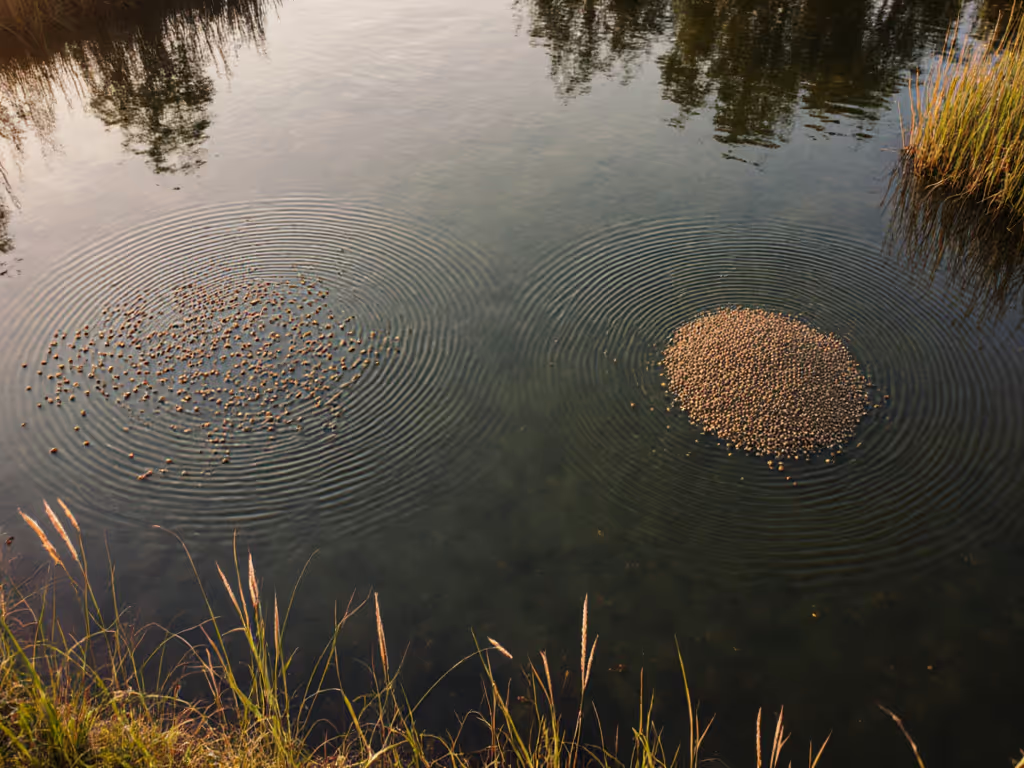
Your greatest tool is already in your tank: observation. Start by halving your usual food portions for three days. If you use floating foods, a feeding ring helps corral them and reduce waste. Watch for these cues:
- ✅ Clear water at 30 minutes post-feed: Portions are ideal
- ⚠️ Cloudiness within 15 minutes: Immediate overfeeding (even 10% too much!)
- ❌ Floating food after 20 minutes: Humidity has compromised food buoyancy
Pause, watch, then adjust. This simple mantra transformed a client's reef tank where high humidity made flakes vanish before tangs could eat. By reducing portions by 30% and feeding later in the day (when ambient humidity dips), they eliminated waste without new gear.
Humidity Adaptation Techniques That Actually Work
- The Rice Desiccant Hack: Place 1 tsp uncooked rice in a mesh tea strainer beside (not in) your feeder's food chamber. It absorbs ambient moisture without contacting food. Replace weekly.
- Strategic Feeding Windows: Feed during your home's natural humidity lows, typically 2-4 PM when AC cycles on. Track using a $5 hygrometer from the aquarium club's resource list.
- The "Pea Pause": Every 10 days, fast fish for 24 hours then feed one thawed pea per 10 gallons. This mimics natural food scarcity cycles while clearing humidity-swollen digestive systems.
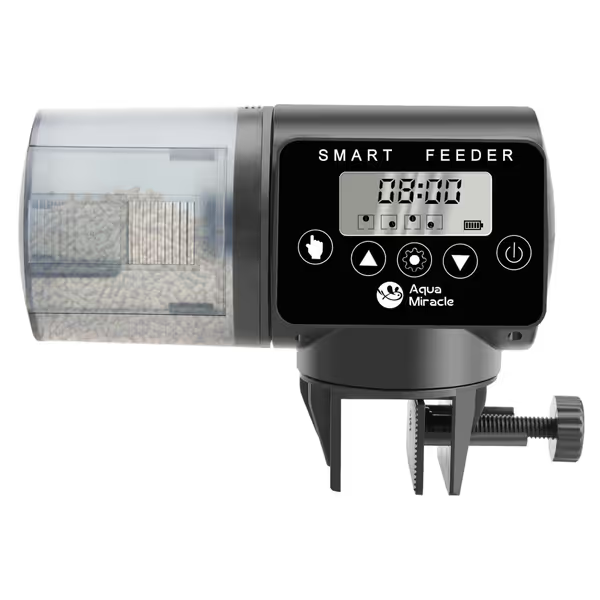
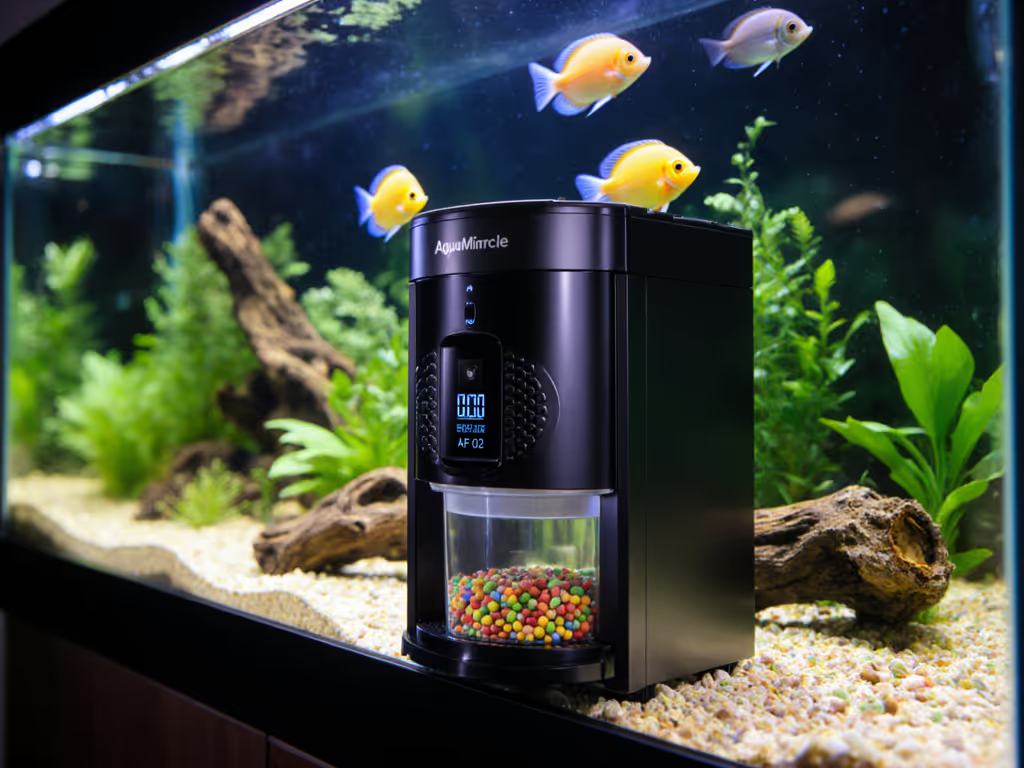
AquaMiracle Programmable Auto Fish Feeder
Automate precise fish feeding for optimal health and peace of mind.
$19.99
Feeding ScheduleUp to 4 feedings/day, volume adjustable
Feeding ScheduleUp to 4 feedings/day, volume adjustable
Pros
Ensures consistent feeding, preventing over/under-feeding.
Programmable for vacation & daily convenience.
Moisture-proof design keeps food fresh.
Cons
Some users report inconsistent food dispensing volume.
Control buttons can be problematic; size feedback is mixed.
Works well, easy to set up and adjust, great for vacations!
Works well, easy to set up and adjust, great for vacations!
Avoiding Costly Mistakes in Tropical Environments
Q: What common errors accelerate feeder failure in high humidity?
Overfilling the hopper is public enemy #1. Unsure how much to load? Use our feeder capacity guide to match hopper size to your tank and schedule. Many advanced hobbyists load feeders for 2-week vacations, ignoring how humidity acts like a slow-motion flood. Food compressed at the bottom absorbs moisture 3x faster than loose grains at the top. I recently consulted for an engineer whose automatic feeder jammed during a business trip, he'd filled it to 100% capacity with premium pellets. Solution? Fill only to 60% and refill weekly. His subsequent 10-day vacation succeeded because less food meant less moisture retention.
The Coastal Keeper's Reality Check
Another silent issue: ignoring humidity's impact on feeding schedules. In high-humidity zones, food decomposes faster, tricking feeders into dispensing more to compensate for perceived low consumption. Your fish aren't hungrier, they're rejecting spoiled portions! Prevent clumping before it starts by following our fish food storage best practices. Reset expectations using this rule:
In tropical climates, assume 25% of dispensed food is lost to humidity degradation. Double your observation periods between feeds.
When to Trust Technology (and When to Step Back)
Q: How do I know if my feeder handles humidity properly?
True tropical aquarium feeding reliability shows in three ways:
- Consistent portion size across humid/dry days (test by catching dispensed food in a net)
- Zero clumping after 72 hours of continuous operation
- No mold rings around the dispensing port
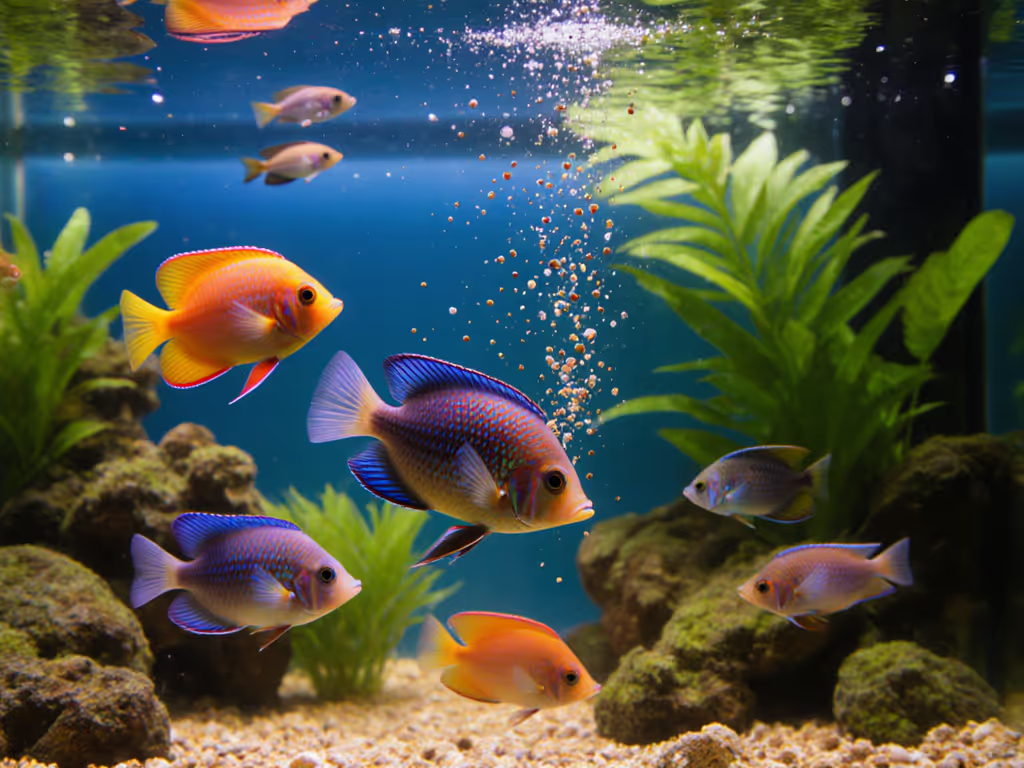
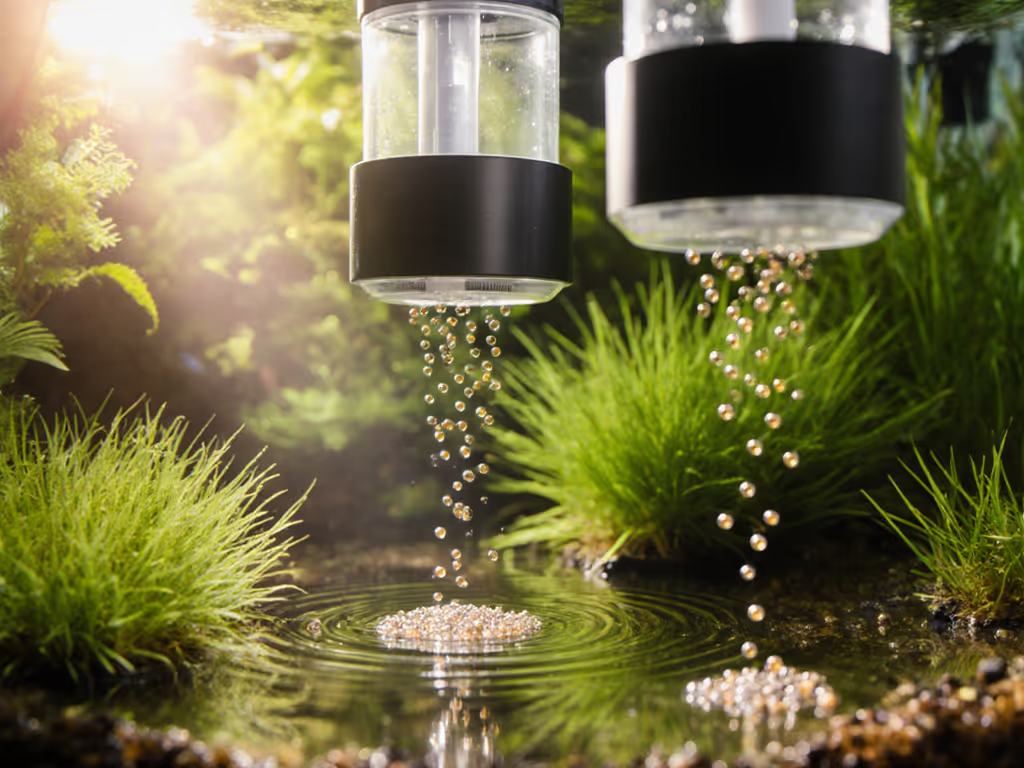
If your feeder fails these checks, consider models with moisture-proof food chambers. And to safely remove buildup and mold, follow our deep clean guide. The AquaMiracle feeder, for example, rotates its drum to keep the dispensing slot upward when not in use, preventing moisture ingress through gravity alone. But remember: no gadget replaces mindful observation. A hobbyist using a $15 manual timer once outranked tech-dependent peers because they'd mastered when to feed, not just how.
Your Path to Humidity-Proof Confidence
Let's return to that neighbor's child I mentioned earlier, her tears when cloudy water hid her beloved guppies. We didn't rush to buy new gear. Instead, we fasted the tank for two days, fed microscopic pinches with a timer, and added a single pea. Watching clear water return, and seeing those guppies dart toward the glass with curiosity, taught the whole family that restraint is care. In high-humidity aquariums, this lesson resonates deeper: what we don't do (overfill, overprogram, overcomplicate) often matters more than the tools we use.
Pause, watch, then adjust. These three words hold the secret to thriving tropical tanks. Humidity isn't your adversary, it's the teacher showing you where routines need simplifying. Start small, observe closely, let the fish teach you. When we align with their natural rhythms instead of fighting environmental realities, everything flows: the water, the food, and the quiet joy of keeping life vibrant.
Related Articles