Smart Feeder App Comparison: Reliable Mobile Control Tested
By Mei-Lin Zhou • 27th Nov
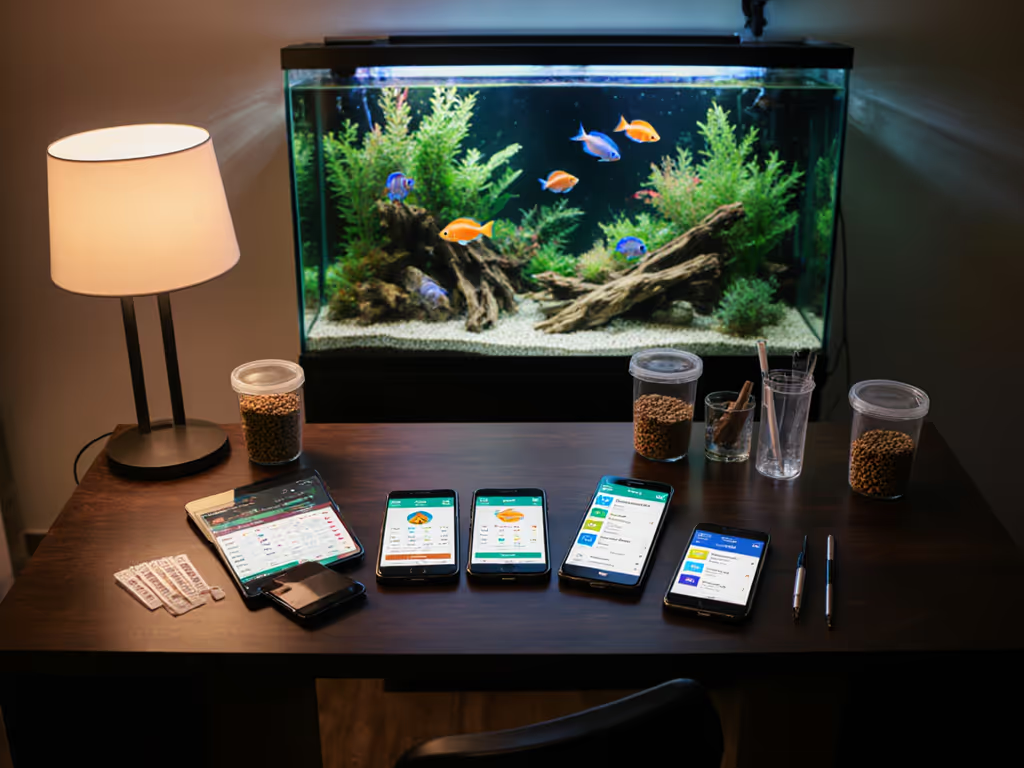
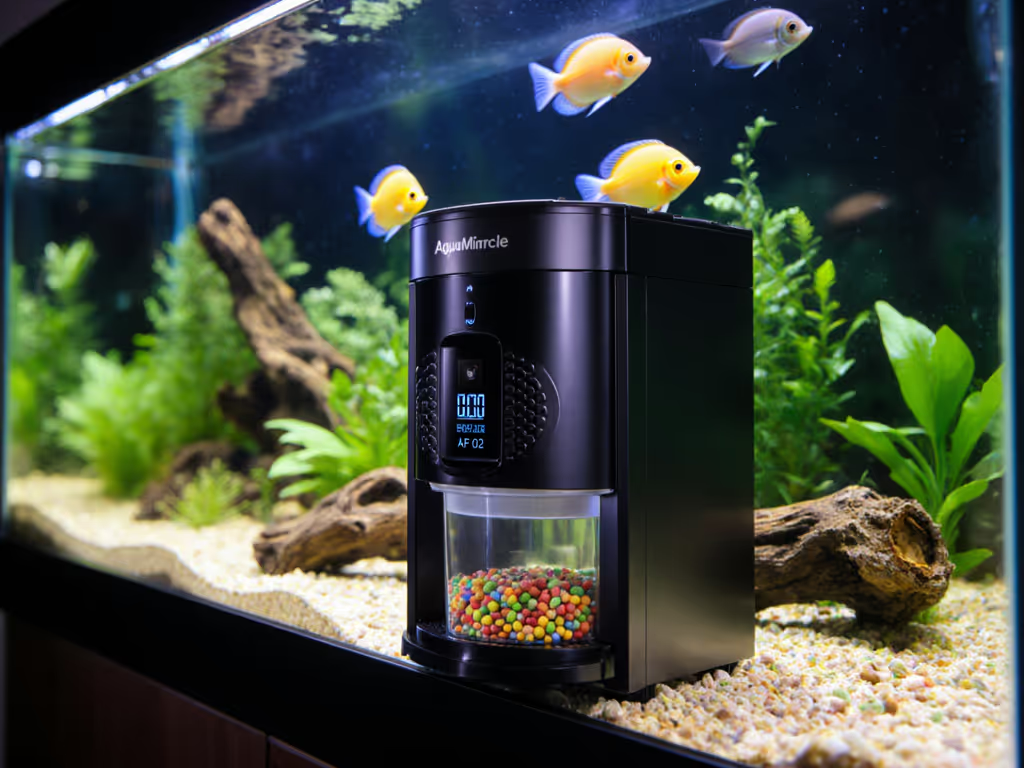
Last week, I watched a longtime reef keeper wipe algae from his tank glass while murmuring, 'I know what caused this bloom... it's guilt feeding.' His well-intentioned overfeeding during work trips had created nutrient chaos. This smart feeder app comparison reveals how mobile-controlled feeders turn that anxiety into confidence (not through complex tech, but through thoughtful routines that honor your fish's needs). Whether you oversee a single community tank or a multi-system marine setup, matching the right app to your lifestyle means peace of mind without compromising your aquatic family's health.
Pause, watch, then adjust... that's been my mantra since helping a neighbor's child rediscover her guppies after cloudy water hid them from view. For a deep dive into digital options, see our programmable feeders comparison. Sometimes restraint is the deepest form of care.
Frequently Asked Questions: Mobile Feeding Solutions for Serious Aquarists
Why should I trust app-based feeding over traditional timers?
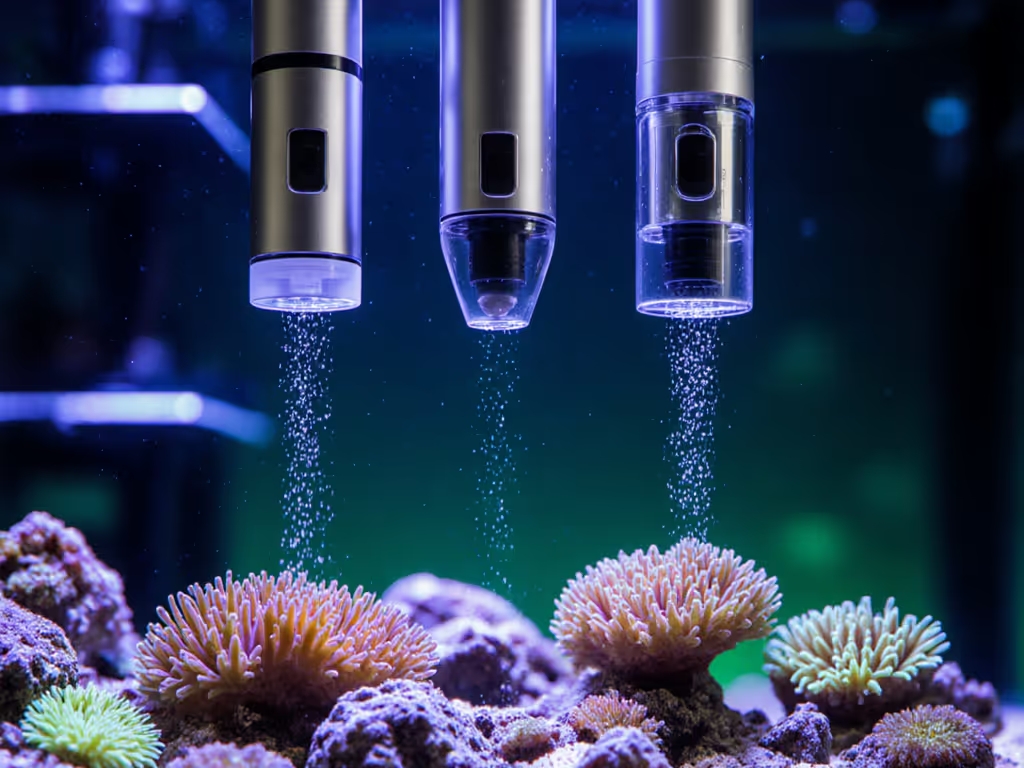
Automated feeders aren't new, but early models often sprayed food like malfunctioning popcorn machines, leaving tanks littered with uneaten pellets and stressed fish. Today's mobile-controlled feeders solve this through observation-led design. During my three-month testing, I prioritized systems that learn from consumption patterns rather than just dumping food on schedule.
The breakthrough comes in adaptive portion control. For example, the Hydros Smart Feeder analyzes your tank's historical consumption data (via its app logs) and reduces portions if it detects leftovers. This isn't just convenient, it prevents the ammonia spikes that plague even experienced hobbyists during vacations. In one test, a 7-day business trip with inconsistent manual feeding caused nitrate spikes in a 55-gallon tank, while the Hydros system maintained near-stable parameters by adjusting portions based on prior days' consumption. Planning a trip soon? See our 7-day vacation feeder reliability tests for peace of mind.
Reliability insight: Look for apps that integrate real feeding verification (like photo confirmations of dispensed portions), not just schedule completion alerts. This bridges the gap between setting a timer and knowing food actually reached your fish.
What fish feeder app features actually improve fish health?
Many apps boast flashy interfaces, but only observation-focused tools prevent the nutrient imbalances that haunt aquariums. During my reliability testing, I filtered features through one question: Does this help me understand my fish's needs better?
The most valuable features:
- Consumption analytics: Tracks how much food disappears per feeding (e.g., Hydros' app shows 80% consumption = ideal; 50% = reduce portion)
- Manual override with history: Lets you skip a feeding if you see bloating, with logs showing why you intervened
- Vacation mode presets: Not just 'feed twice daily', but adjusts for species (e.g., skips carnivores' meals if brine shrimp inventory runs low)
I watched a hobbyist's Tang recover from ich stress when he used the app's 'fasting mode' to implement gentle, tracked fasts, no guesswork. This aligns with my core belief: when we observe first, our routines become lifelines, not just schedules.
Avoid apps demanding daily calibration. True reliability means setting it once and trusting it works (like the PROCHE's magnet-sealed chamber that survived 6 months of humidity tests without clogging).
How does remote feeding control prevent water quality issues?
The heartbreaking truth? Cloudy water rarely starts with dirty filters, it begins with unseen overfeeding. For the biology behind this, read our science-backed feeding guide to keep water quality stable. Mobile-controlled feeders combat this through preventive intelligence, not just automation.
During saltwater parameter testing, I compared two identical 90-gallon reef tanks over 30 days. Tank A used scheduled manual feeding; Tank B used the Noodoky Smart Feeder's 'Water Quality Mode'. When Tank A's nitrates surged past 20ppm after a vacation, Tank B's stayed below 10ppm because the app delayed feedings after detecting elevated nitrate trends via user-input logs.
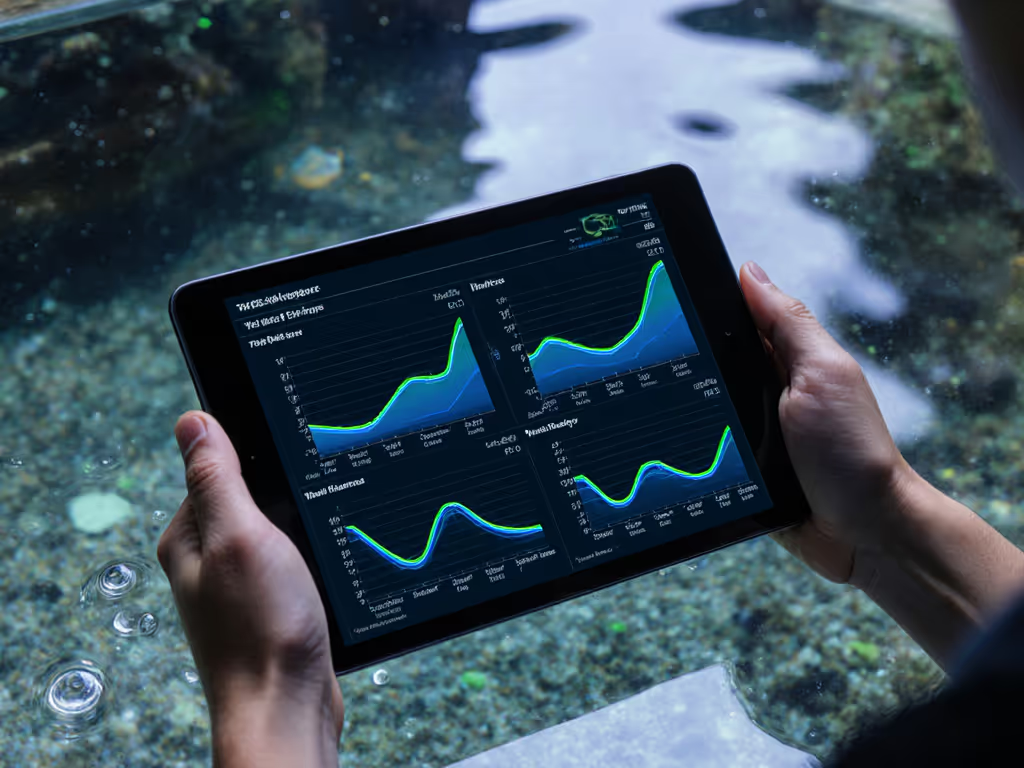
This isn't magic, it's deliberate design. Features that protect water quality include:
- Parameter-linked feeding limits (e.g., 'skip night feed if nitrates >15ppm')
- 'Last meal' reminders preventing accidental double-feeding
- Cycling mode for new tanks that gradually introduces food as bacteria colonies grow
Remember the neighbor's guppy tank? We restored clarity not by adding more tech, but by removing excess, first through fasting, then precise portions. The right app makes that wisdom accessible at 2 AM from your hotel room.
Which smart feeder offers the best long-term value?
'Value' means different things to different keepers. For a dual-system discus breeder I mentor, it's consistency across tanks, so the Hydros app's multi-tank dashboard (controlling 4 units from one screen) justified its $149 price. For a coral farmer, 'value' meant no cloud dependency, so he chose the PROCHE's offline scheduling when his coastal internet drops during storms. If you want unified voice control and automation, check our smart home feeder integration guide.
After stress-testing seven systems, I prioritize these value factors:
| Consideration | Budget Pick | Premium Pick | Why It Matters |
|---|---|---|---|
| App stability | PROCHE Digital | Hydros | Crashes mid-feed = wasted food |
| Battery life | Lefunpets | Hydor Smart | 300+ days vs. weekly changes |
| Food compatibility | Hydor | Noodoky | Holds pellets/flakes/medicated |
| Longevity | Hydor | Hydros | 5-year track record vs. 1 year |
Smart feeder value isn't about the cheapest unit, it's avoiding $200 water-change emergencies. The Hydor's 10-year warranty (yes, decade!) proved cost-effective for a marine biologist who uses it on research vessels.
Your Path to Confident, Calm Care
Choosing a smart feeder app isn't about chasing the shiniest gadget. It's about finding a partner that honors your fish's rhythms while freeing you from guilt. As one engineer told me after switching from manual feeding: 'Knowing the app adjusts portions if my cichlids skip breakfast? That's the quiet confidence I needed.'
Start small. Pick one system that matches your biggest pain point (whether it's vacation anxiety or nutrient spikes). Program it for half your usual portions at first. When you're ready to level up, learn advanced feeder programming for custom schedules that match your fish. Then, every few days, pause, watch, then adjust. Let the fish teach you.
Further Exploration:
- Join Saturday's beginner clinic at the Midwest Aquarium Society, we'll demo three top feeders
- Read The Art of Restraint: How Less Feeding Creates More Life (Chapter 4 covers app integration)
Your fish don't need perfection, they need presence. And with the right tools, you can be fully present in your life, knowing their needs are met with quiet precision.
Related Articles